

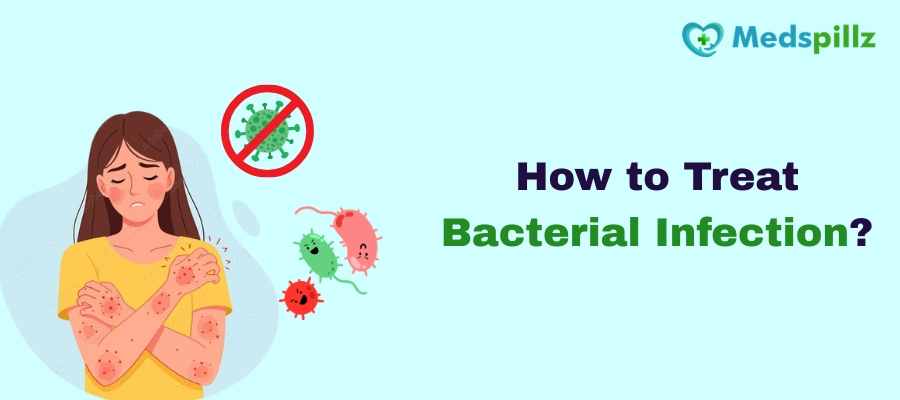
Bacterial infections are one of the most broadly spread sicknesses over the globe. Nearly anybody can be a potential casualty of bacterial infections, be it the lungs, throat, skin, urinary tract, be it the stomach related system. Lack of knowledge is one reason why people fail to eliminate these infections, but the knowledge is available if people take the time to research it. The consequences of bacterial infections can be as small as a minor inconvenience in day-to-day activities as to losing a life. Here, the causes, symptoms, types of bacterial infections and available treatment methods are explained.
Bacteria are among a variety of life forms with a presence that can be considered almost ubiquitous, including within the human body. While a lot of microscopic organisms can be safe and useful, pathogenic bacteria can thrive and multiply inside a have and cause disease. Treatment of a bacterial disease can run from the utilization of antibiotics, rest, and hydration.
What Is a Bacterial Infection?
A bacterial infection is a condition in which pathogenic bacteria have attacked a have, multiplied and caused illness side effects. Whereas bacterial infections can be safe and self-limiting, they can moreover be exceptionally pathogenic and debilitate the life of the most commonly recognized bacterial contaminations are:
- Urinary tract infections
- Strep throat
- Bacterial pneumonia
- Bacterial skin infections
- Bacterial gastroenteritis (nourishment poisoning)
- Otitis media (ear infections)
- Bacterial sinusitis
Infections can present in virtually any system or organ in the body and cause diverse symptoms such as systemic fever, and localized swelling, pain and fatigue. Gastroenteritis can indeed cause bowel irritability.
Read More : Does Tadalafil Expire? Understanding the Shelf Life of Tadalafil
What Causes a Bacterial Infection?
Bacterial infections have a different type of causes, but most of the section is specially for microscopic organisms in your human body which is considered as the tract of skin contact directly in your patient.
A section point is a cut or slash of the skin. Bacterial diseases are too spread when people have near contact with one another. Some patients’ hygiene can facilitate the transformation of bacteria from one body to another body safely.
There are some Common Causes includes following tips:
1) Medical conditions
2) Untreated wounds
3) Poor hand hygiene
4) Contact with infected people
5) Contaminated food or water
6) Inadequate sanitation
7) Weakened immune system
8) Lacking wound care
There are some microscopic organisms that spread faster in some more crowded places like companies, hospitals, schools, temples, some public transport like cars, buses, etc.
How Do I Get Bacterial Infections?
Some of the ways microscopic organisms attack the human body incorporate:
1) Direct contact with an infected person
2) Touching a surface contaminated with bacteria
3) Eating food contaminated with bacteria or food that is not thoroughly cooked
4) Drinking water that is contaminated
5) Contact with infected animals or insects.
6) Inadequate care of wounds
7) Contact through sexual intercourse.
8) Breaching the body’s safe system or taking antibiotics can moreover lead to disease by microbes that reside in the body and are ordinarily harmless.
Also Read: How to Detox Your Body Naturally?
How Long Does a Bacteria Infection Last?
The length of the disease moreover depends on the degree of infection and the health of the contaminated individual, particularly the way in which the infection is treated. A few of the more genuine diseases may take weeks to a few to resolve. Infections that are not genuine may resolve in a matter of days.
Here are a few ordinary estimates:
1) Minor ear and throat diseases: 5-10 days
2) UTIs: 3-7 days with treatment
3) Skin infections: 1-2 weeks
4) Pneumonia: may take several weeks
If the infection is totally resolved whenever it is important for the infected patient to take a complete course for this disease and take antibiotics regularly, which is suggested by your doctor.
How to Treat Bacterial Infection?
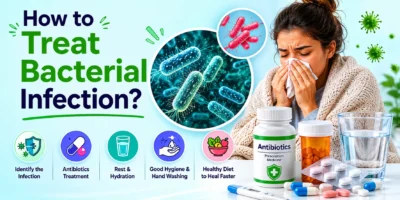
There is some common research for how to treat bacterial infection through antibiotics. These all medicines are prescription medicines which are used to kill harmful bacteria and its growth.
Available treatments consist of:
- prescription antibiotics
- hydration and rest
- pain relievers/fever reducers
- cleaning of wounds
- probiotics for digestive health
- foods rich in nutrients to help improve immune function
Antibiotic leftovers should not be utilized and self pharmaceuticals should be avoided. Over use of antibiotics can lead to antibiotic resistance.
It is common practice for specialists to prescribe observing and holding up for side effects to progress for less serious bacterial infections, whereas direct and extreme diseases may warrant a more grounded systemic and/or intravenous anti-microbial treatment.
What Is the Strongest Antibiotic for Bacterial Infection?
There is not one single antibiotic that is more successful for treating all bacterial infections. In the case of antibiotics, specialists survey and suggest treatment based on the particular sort of disease and severity.
Some commonly Used antibiotics are:
- amoxicillin
- azithromycin
- ciprofloxacin
- doxycycline
- cephalexin
- metronidazole
The concerns of medical history, infection location, allergies, and drug resistance are all reasons for why antibiotics should not be taken without the supervision of a medical professional. There are some Best Antibiotics for bacterial infection like Cipmox 500 mg from Medspillz in the USA.
FAQs
Is a UTI a bacterial infection?
UTI is an acronym for a urinary tract infection, which is an infection of the urinary tract caused by a bacterial infection and hence is treated by using antibiotics.
Is a sinus infection viral or bacterial?
Sinus infections can be both viral and bacterial. However, for the majority of sinus infections in the general population, the cause is viral. Most viral sinus infections are self limiting and can resolve without the use of antibiotics.
Are bacterial infections contagious?
All bacterial infections have the potential to be infectious. They can be caused by direct contact, as in the case of a break in the skin, or respiratory illness from coughing, and even by the consumption of contaminated food or surfaces.
Some examples of infectious bacterial infections are:
- tuberculosis
- whooping cough
- skin infections
- streptococcal infections
Is bacterial vaginosis a yeast infection?
No. Vaginosis does not develop from more yeast. Vaginosis occurs when one of the bacteria in the vagina becomes over abundant. Vaginal yeast infections can develop from overabundant Candida. Though the symptoms can look the same, the treatments will be totally different.
Conclusion
It’s vital to know the management for bacterial infections to protect yourself and avoid complications in the future. Bacterial infections can happen all over the body and can become anything from a nuisance to severe.
Educated use of antibiotics when prescribed, staying hydrated, resting, and maintaining proper hygiene, play the biggest role in recovery.
It is essential to look for therapeutic care for bacterial diseases when said infections are serious, persist, or get more awful over time. In the circumstance of persistent bacterial diseases, it is exceptionally likely you will involve complications.
The exceptionally best technique to avoid all infections is keeping up strong immunity, taking after the protocols of healthcare experts, and legitimate personal cleanliness.