

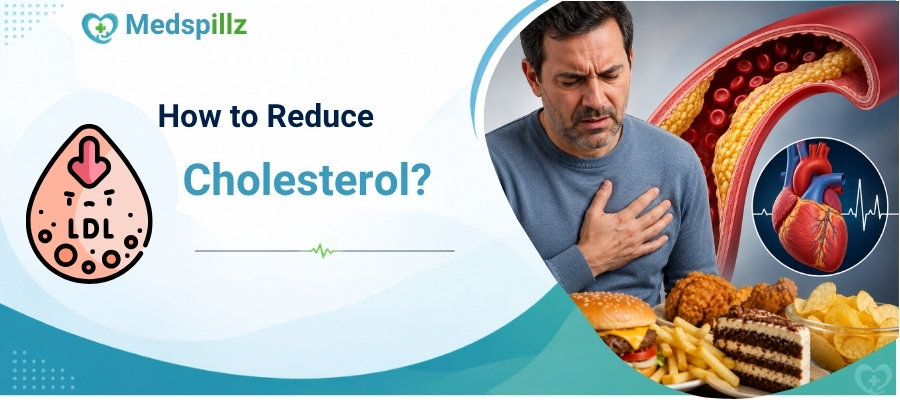
What Is Cholesterol?
Cholesterol is a fat substance that is in the body for your patient. The only it made is in the liver. There is a small amount of cholesterol in all of the body’s cells. It is in the body makes hormones and the body produces vitamin D. It helps break down some types of food.
Many foods containing a significant amount of it include eggs, meat and milk.
It can be gotten by consuming products containing it. LDL carries it to the cell. Overabundance of it causes heart problems. There are two kinds of it:
- LDL (Low Density Lipoprotein)
- HLD (High Density Lipoprotein)
High Density Lipoprotein in the system removes the clutter of the LDL in the blood system. It’s the “good” it and it is good for the heart.
What Causes High Cholesterol?
Lifestyle choices, underlying health factors, and inherited factors can all result in high cholesterol levels. Causes can include:
- Saturated and Trans Fats
- Lack of Exercise
- Obesity
- Smoking
- Excessive Drinking
- Type 2 Diabetes
- Hypothyroidism
- If anyone in your family having cholesterol then it’s included in genetics
How to Reduce Cholesterol in 7 Days?
Though cholesterol may not be drastically lowered in 7 days some habits that support optimal this levels can begin being implemented in that time frame.
Substitute friend food with baked and grilled foods .
Consume More:- Legumes, nuts, seeds, vegetables, Oats, Honey as well as fruits contain numerous soluble fiber. Nuts, seeds, avocado, as well as natural olive oil for much healthier fats.
Workout:- – A 30-minute trek once per day. – Remove sugars, processed food, and sodas.
Cessation: Of Smoking
Hydration: and Restful Sleep
While these habits won’t make an overnight impact within the first 7 days, these will help you to improve your cholesterol levels in the long run.
How to Lower Cholesterol Naturally?
The focus of the natural approach to cholesterol management is long-term lifestyle changes. The following changes have been proven to be effective:
Eat: Get 25-30 grams Fiber Daily
Choose: Fish and Skinless Chicken to Reduce Red Meat, Poultry, and legumes
Heart Healthy Oils: take for olive or canola oil to butter
Achieve: Exercise for 150 minutes on a weekly basis
As stated previously, the changes above will not yield drastic results in 7 days. Over a span of several months, these changes will prove to be beneficial.
A healthy weight The goal: Reduce added sugar and refined carbs Eat smart and Manage Stress (or anxiety) through Meditation, yoga or a routine form of Physical Activity. Studies say that following a Mediterranean Diet approach CAN help keep your LDL it levels in check and HELP protect your Heart!
How Much Cholesterol Per Day?
More specifically, modern guidelines state that for healthy adults, the recommended limit is eliminated. Rather, there is a greater importance placed on the role saturated and Trans fatty acids have in elevated LDL production.
For those with high it and heart disease, doctors recommend:
Use trans fats only in moderation. Fruits, legumes, and vegetables with tough fiber are very good for you and this is why the eating tips below recommend they fill most of your plates. The AHA advises those with elevated this problem to consume less than 10% of the food daily eaten for a total number of calories for calcium pills. Those suffering from heart related illnesses should have saturated fat account for less than 6%.
What Foods Are High in Cholesterol?
Meats, poultry, and seafood are moderately high when judging from the natural level of this problem in those foods, and all can form part of a good diet. Like with these foods, moderate levels are required to maintain these levels.
Common high cholesterol foods include:
- Liver
- Kidney
- Butter
- Full fat cheese
- Pork
- Beef
- Shrimp
Remember, products high in saturated fat like pork and cheese increase LDL cholesterol more than it-containing foods.
What Is the Good Cholesterol?
HDL, also known as good this problem . High density lipoprotein (HDL) does not promote the deposition of itin the artery. High density lipoprotein may lead to low risk of cardiovascular disease.
Generally, healthy HDL levels are:
- Men’s levels should be above 40 mg/dL.
- Women should have levels above 50 mg/dL.
- The goal is for everyone’s levels to be higher than 60 mg/dL.
- You can have healthier heart levels if you exercise, eat right, and don’t smoke.
Frequently Asked Questions
Is Cholesterol a Lipid?
One of the lipid components, called this , is an important part of building cell membranes as well as producing hormones and vitamin D. But high amounts of LDL are hard on your heart.
Do Eggs Increase Cholesterol?
“Dietary this problem is found in eggs,” according to the USDA. For many people, foods such as eggs have only a little impact on in blood. It would be more risky with saturated fats.
Is High Cholesterol Genetic?
Yes. For some people it is genetic. This condition is called Familial Hypercholesterolemia. There are strong connections with heart disease for people that have close relatives that have it.
Does Alcohol Raise Cholesterol?
If alcohol is over consumed then heart health will generally worsen because of the gain in weight and increase in triglyceride levels. Alcohol consumption should be limited for better cholesterol levels and lower heart disease risk.
Does Fish Oil Lower Cholesterol?
Fish oil pills are better at helping to reduce triglycerides, as compared to helping to reduce LDL levels of this problem. The benefits associated with fatty fish Fish rich in healthy omega-3s in our heart include salmon, mackerel, and also sardines. Eat at least two servings of these healthy types of food per week.
Conclusion
If your lifestyle changes don’t appear to help manage your cholesterol level, your doctor may also advise you on whether you might need medication to manage it.
With heart health in mind, routine this problem level checks will be beneficial since heart-health inquiring patients can be unaware of their at-risk conditions with high it.